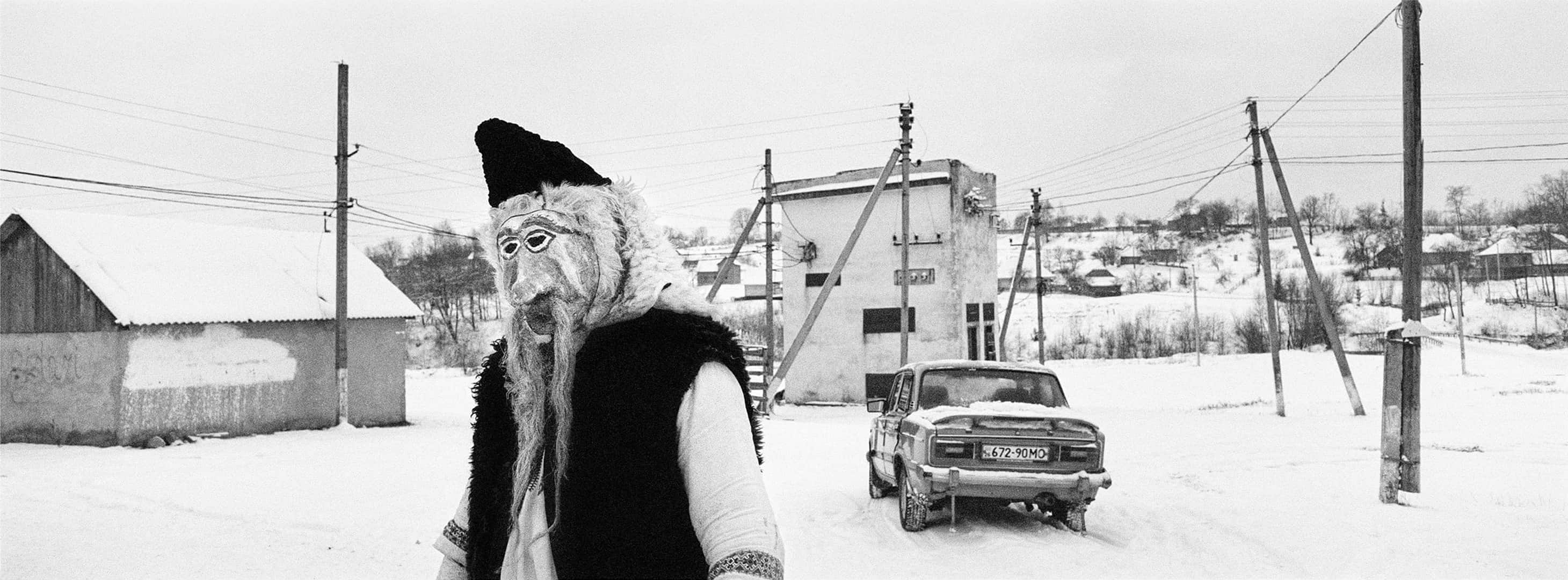
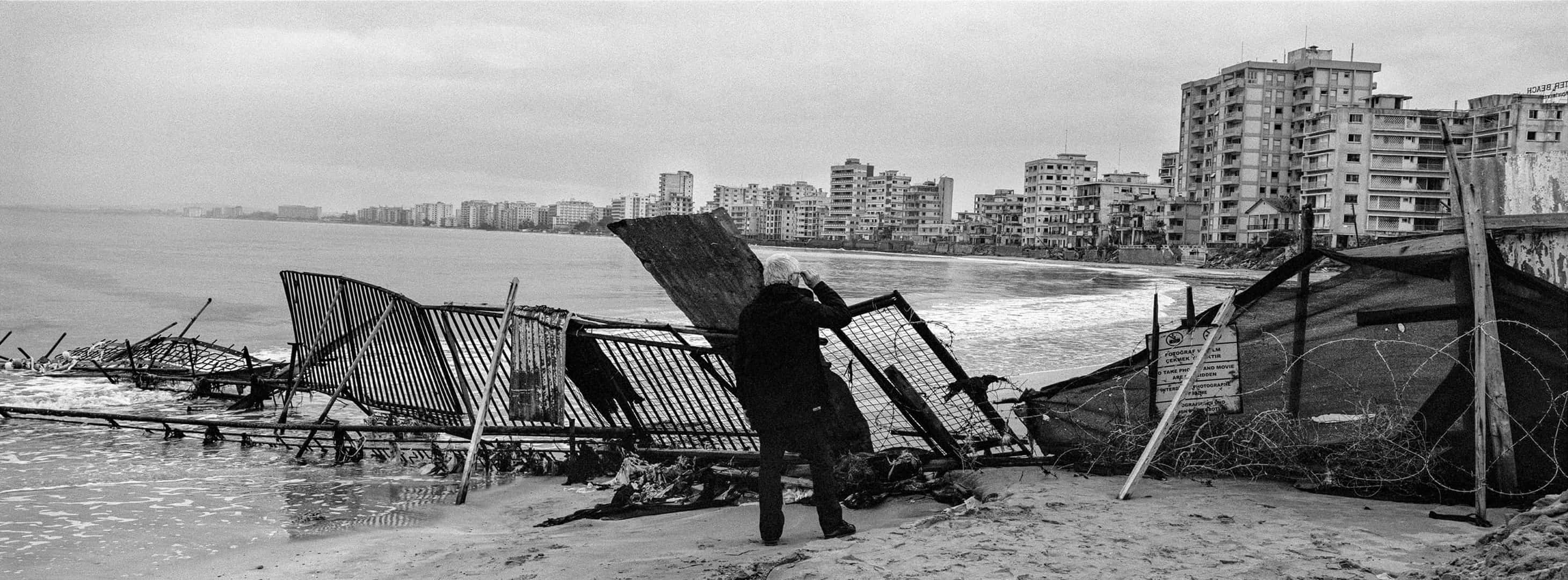
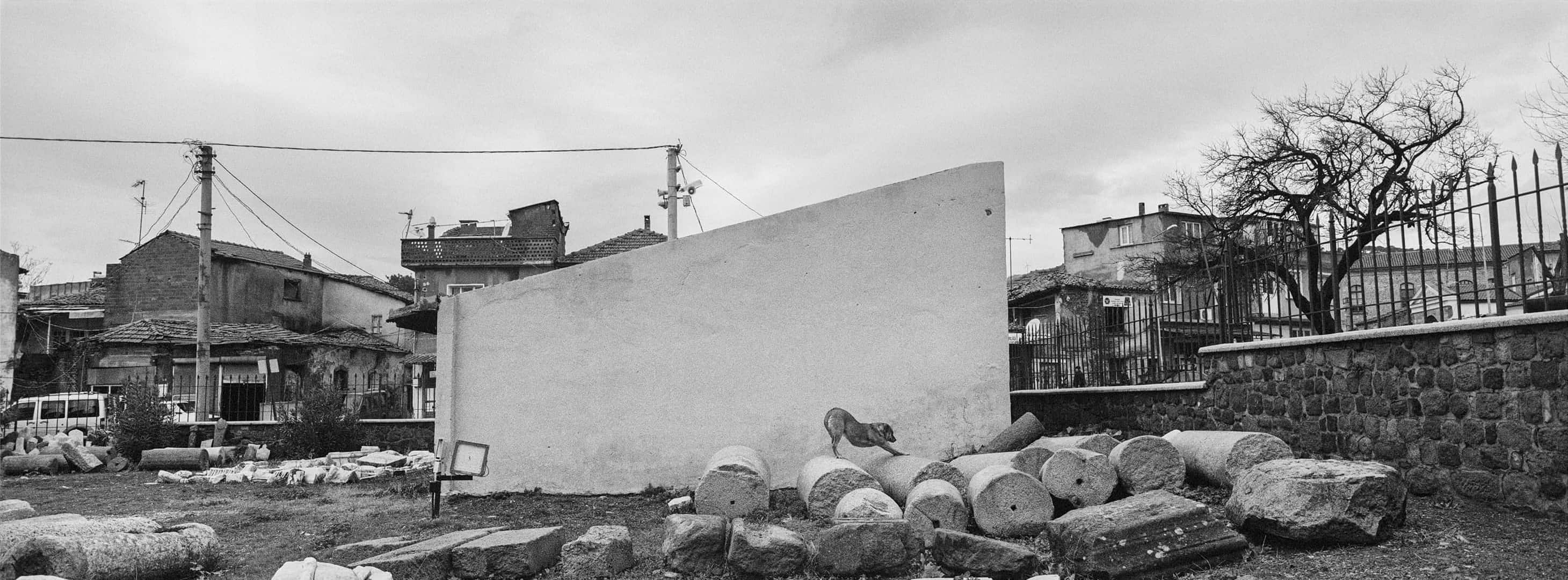
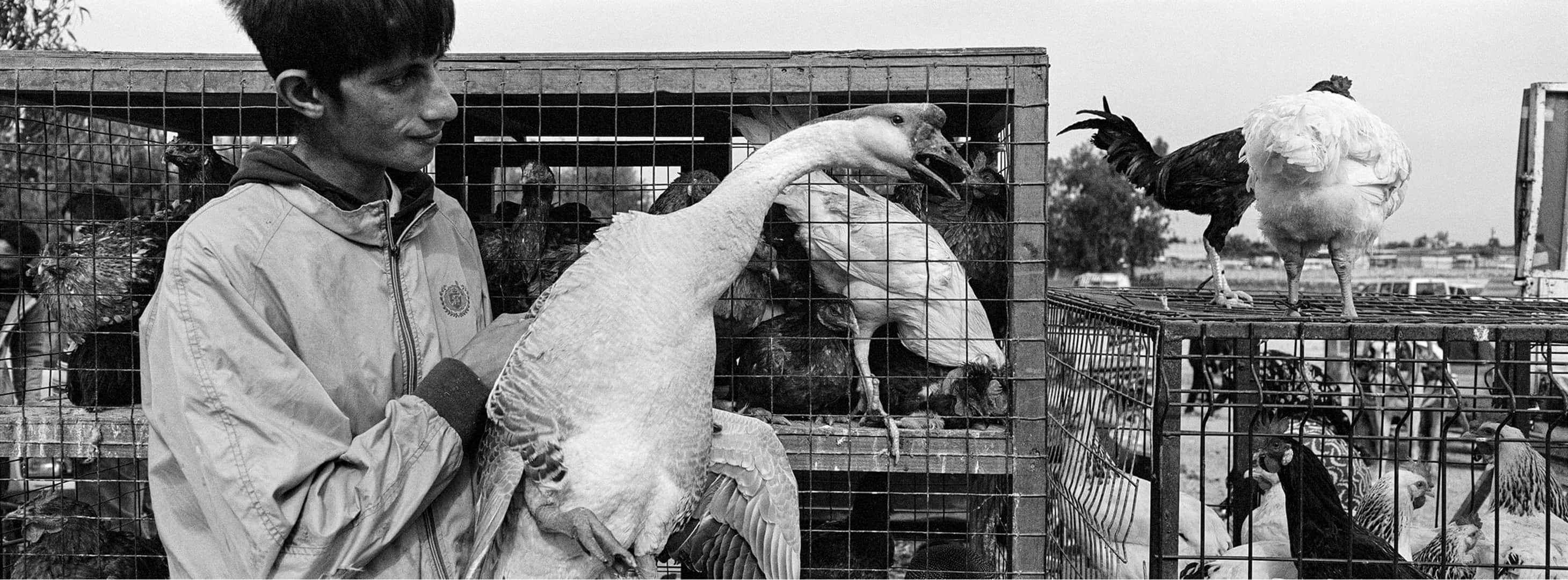
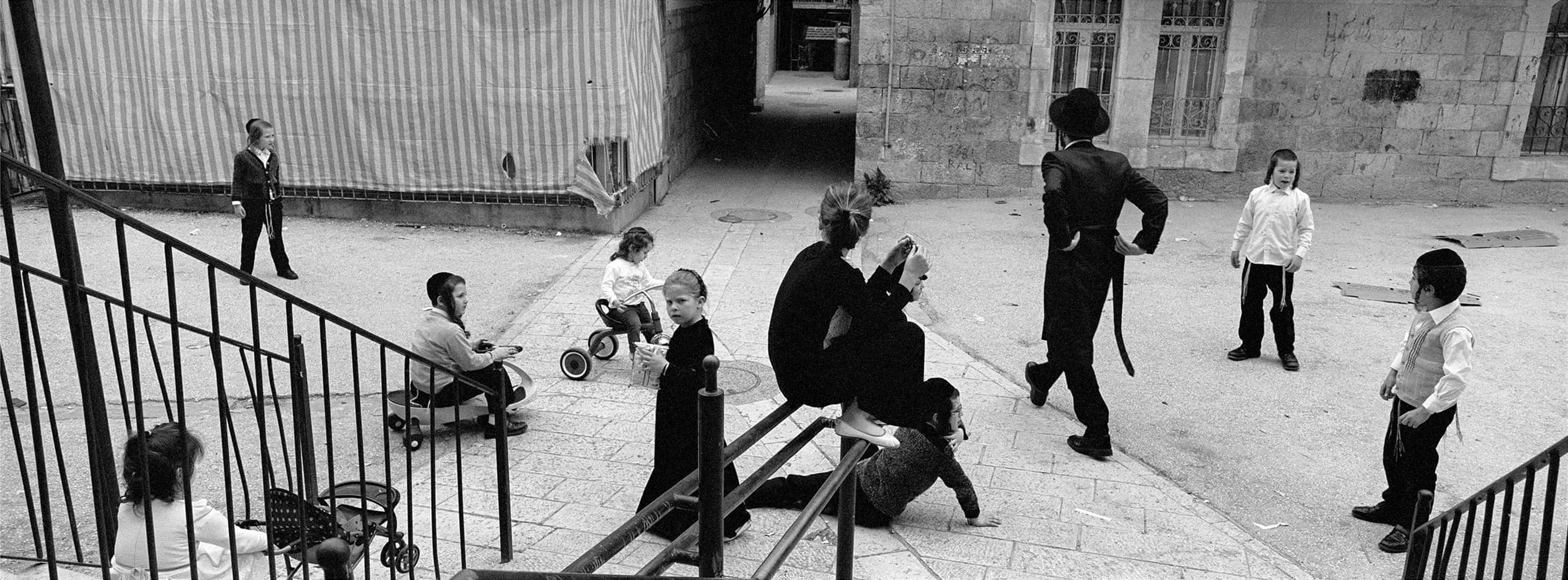
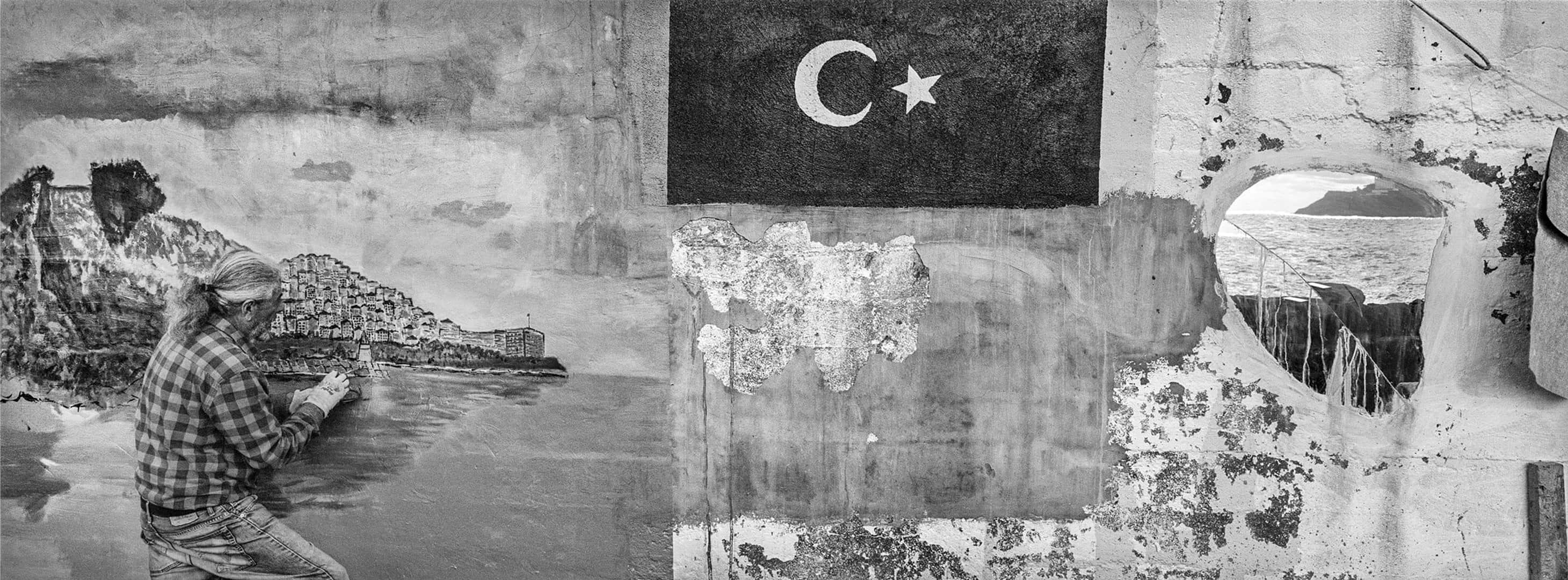
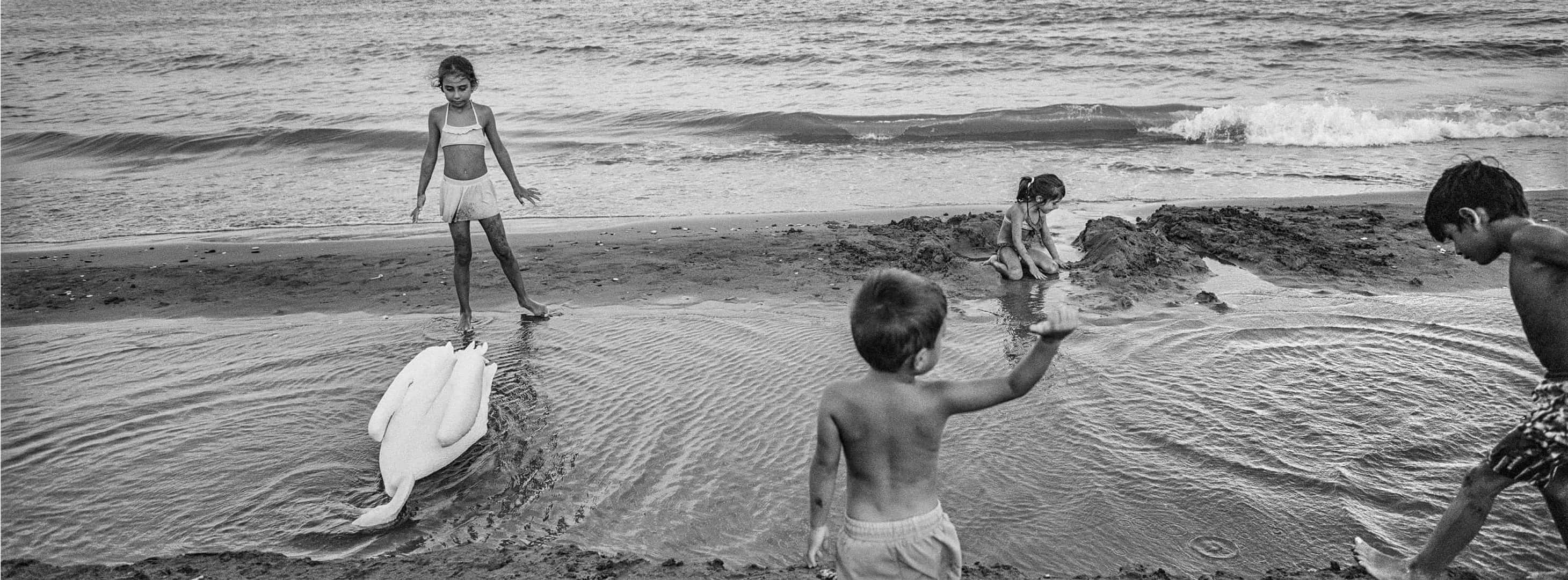
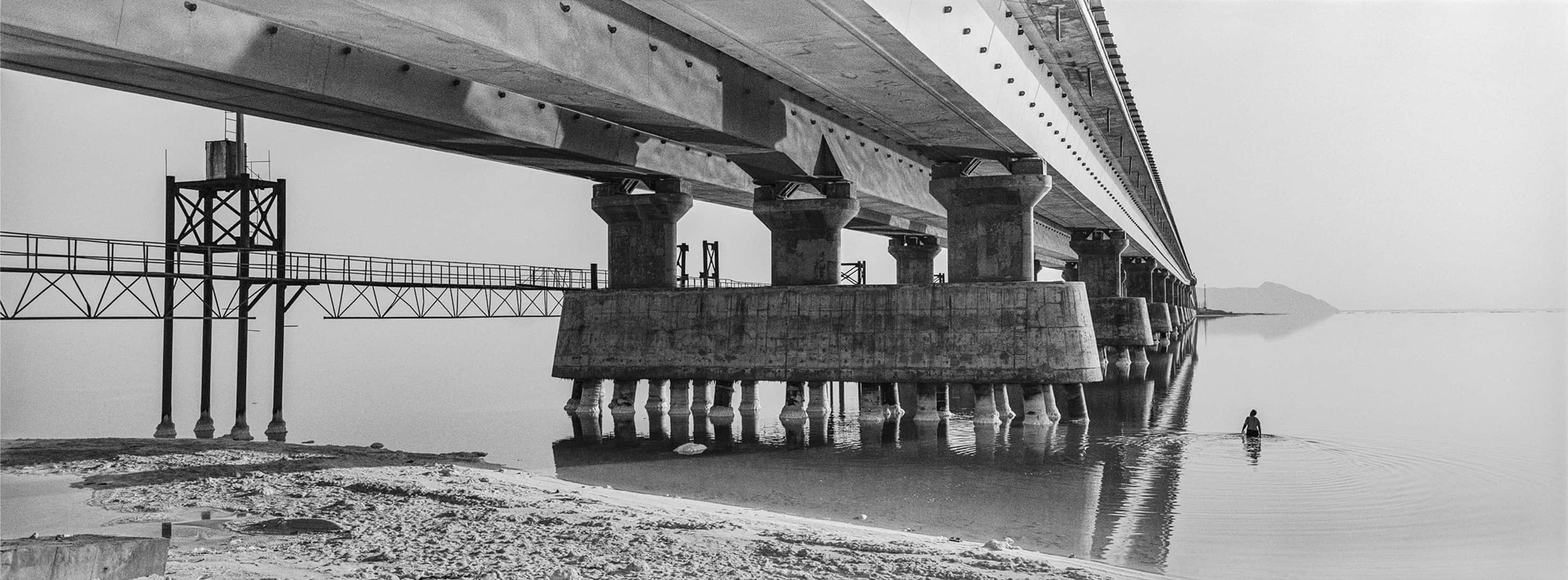
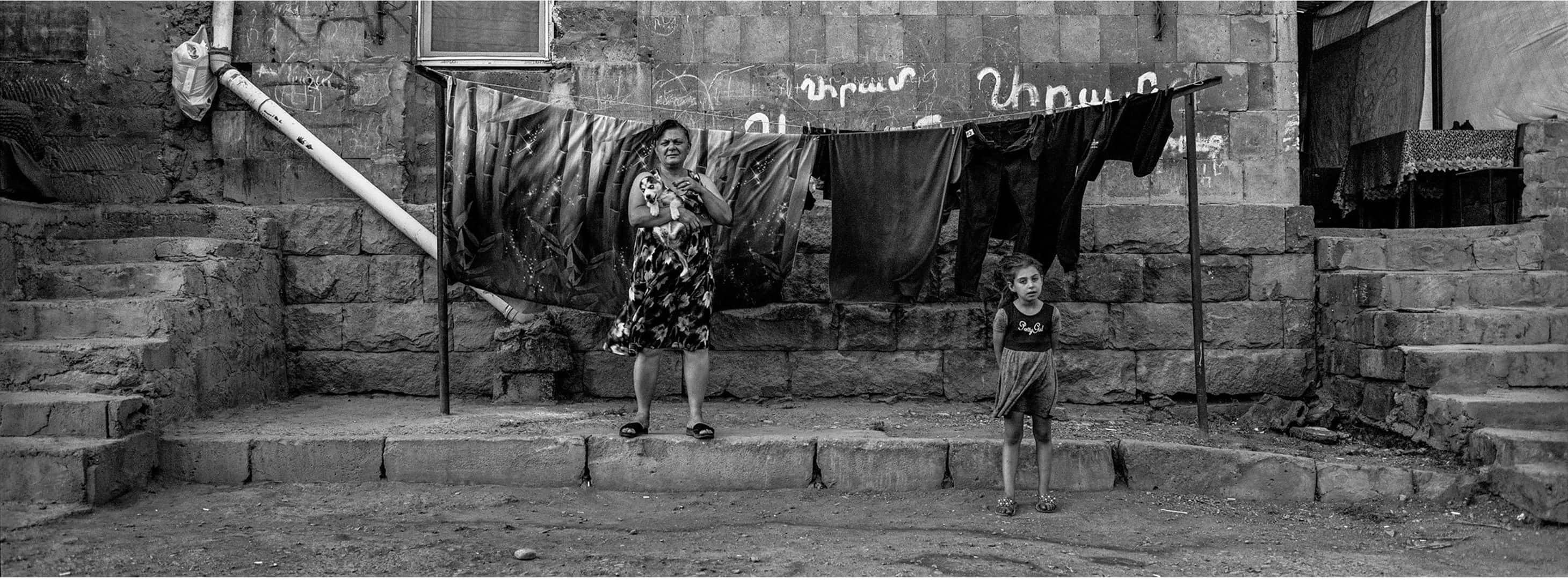
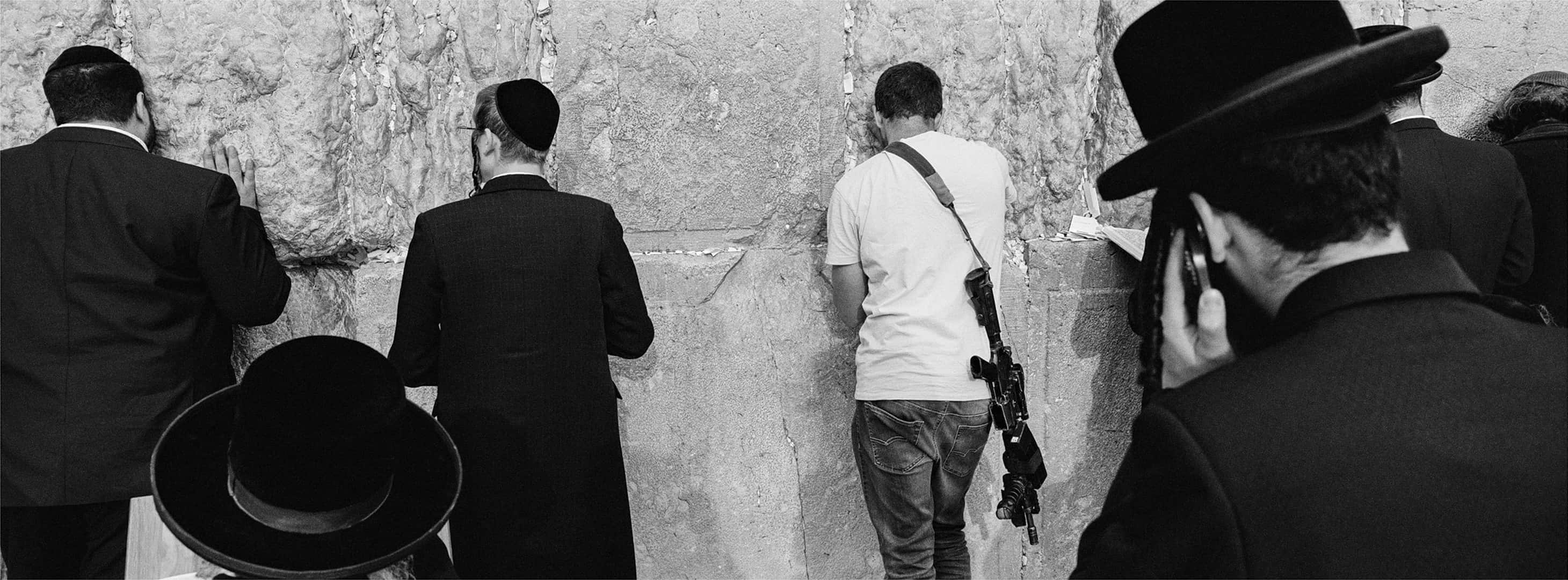
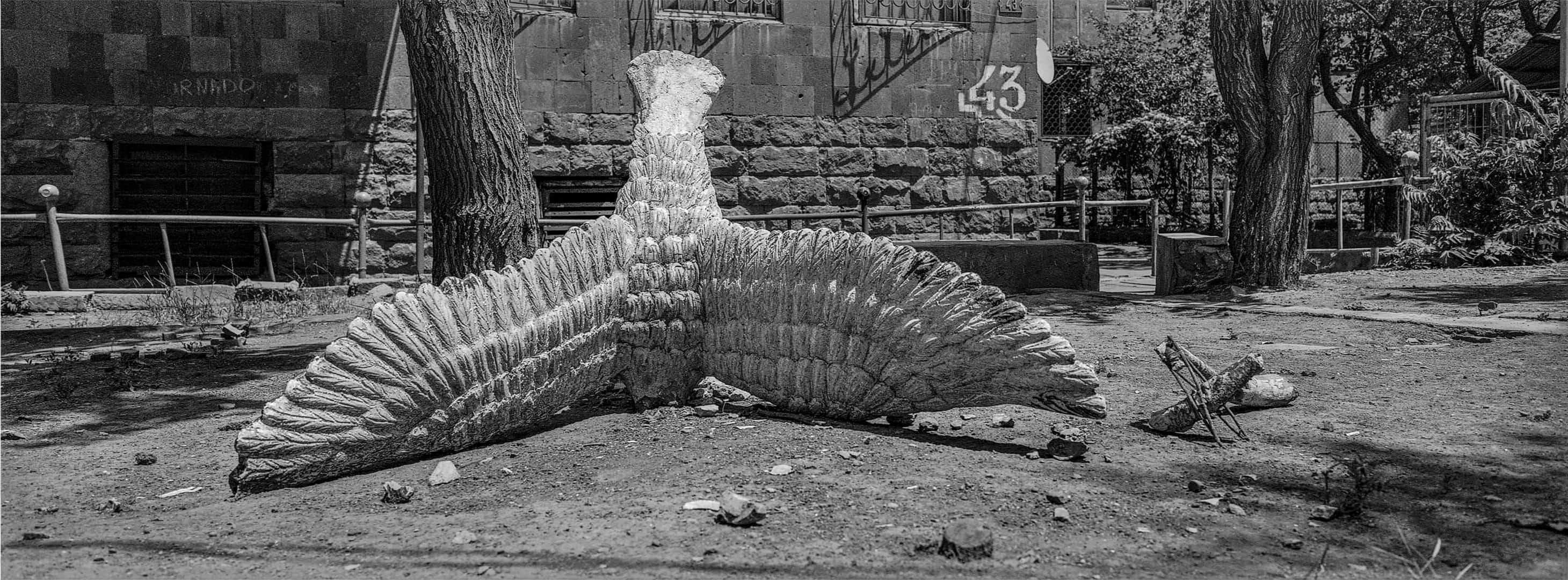
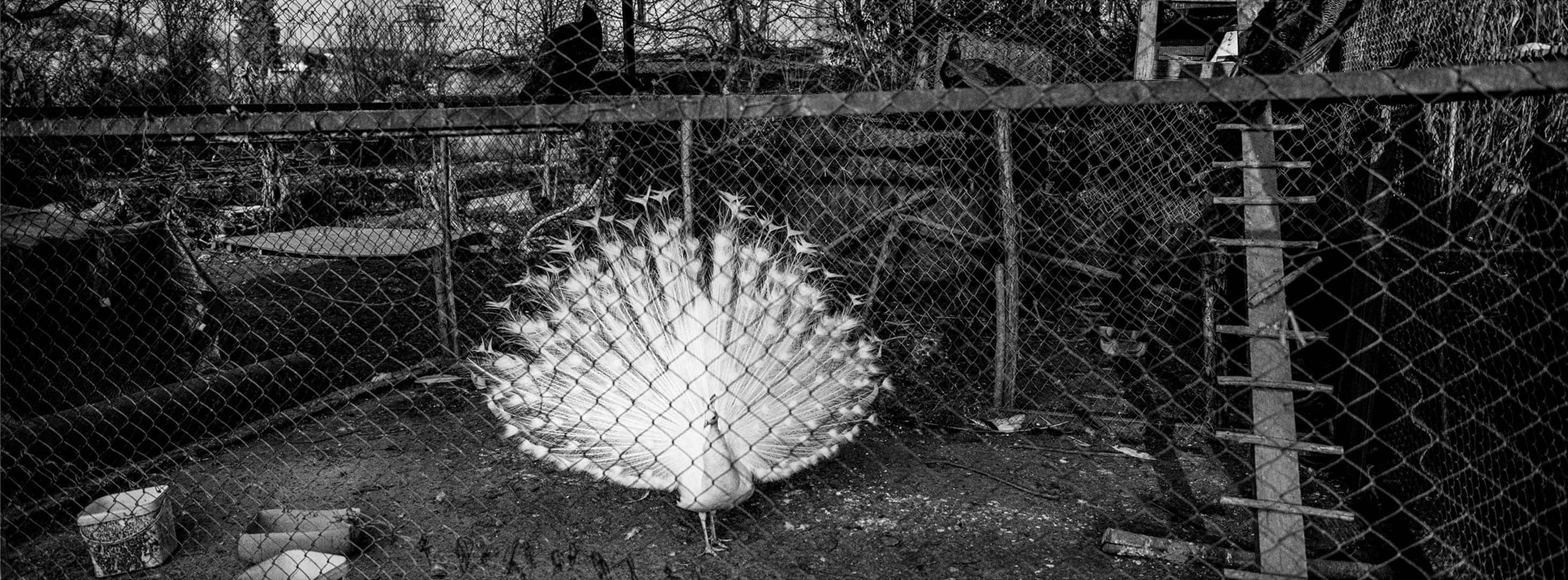
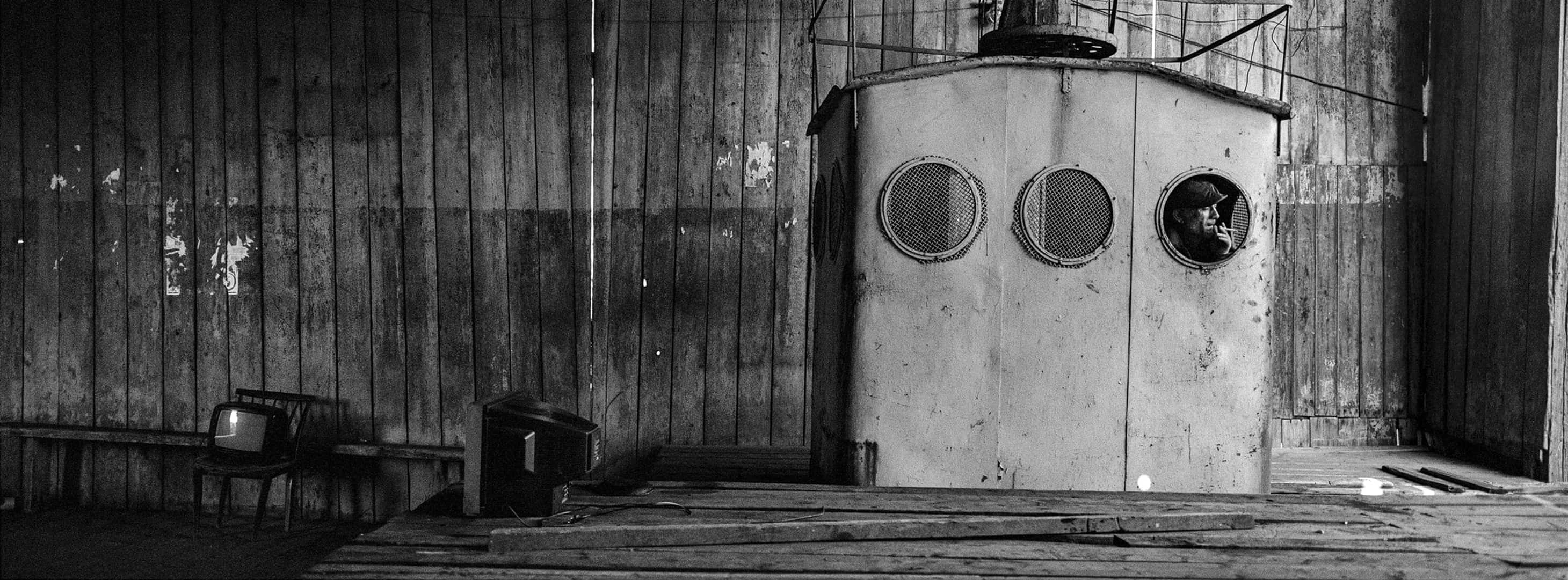
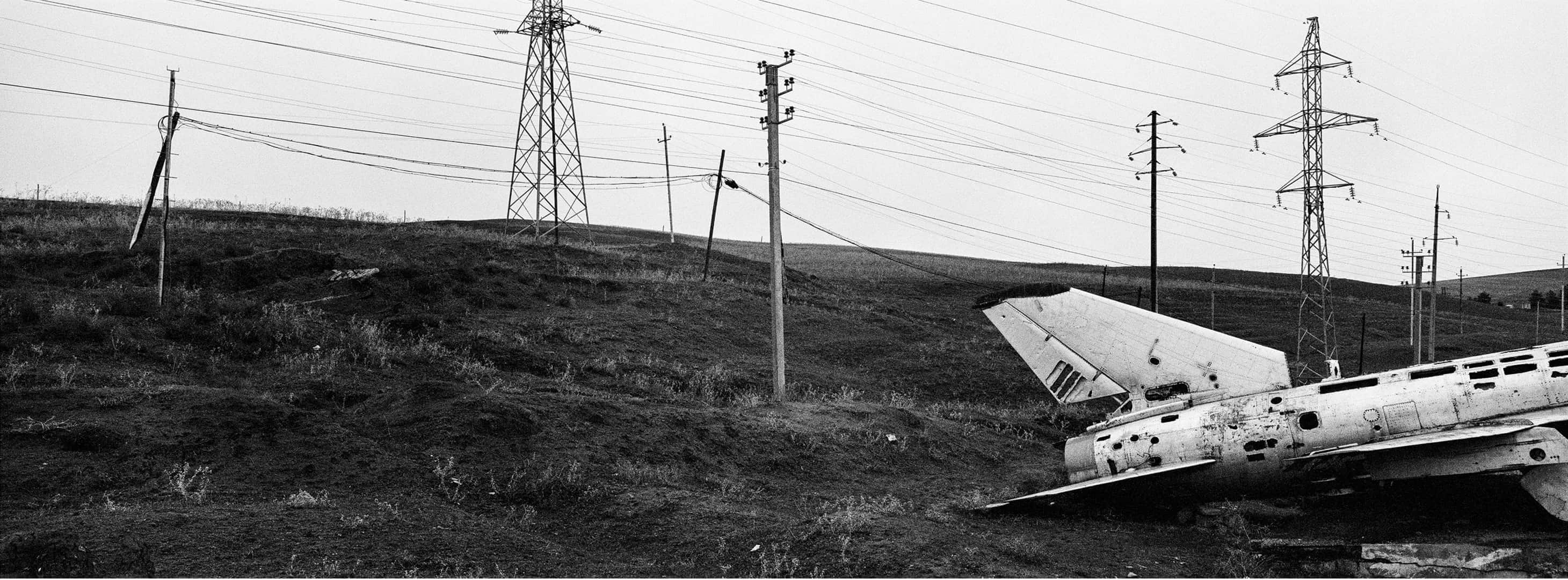
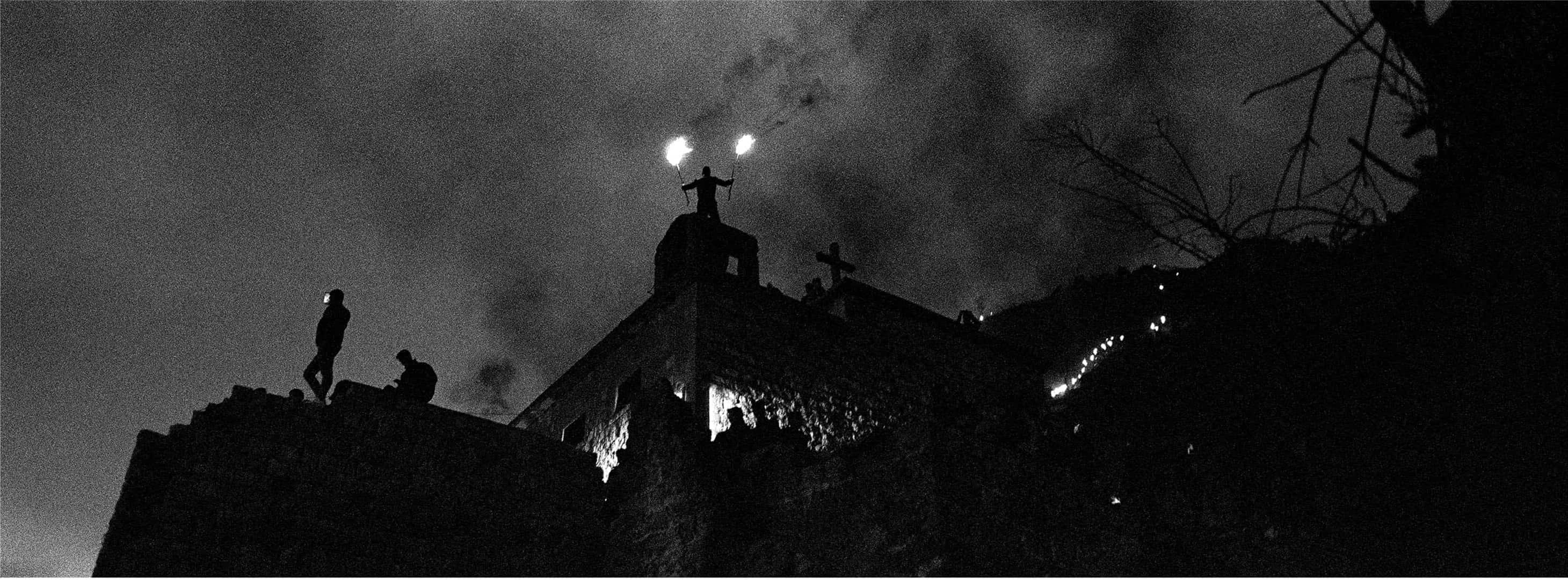
On a map demarcated by borders, Huseyin Ovayolu embarks on a visual journey —not merely to document, but to unearth. What begins as an exploration of distant geographies gradually becomes an excavation of internal terrains: the inherited myths of proximity and distance, the imagined boundaries of identity, memory, and belonging. In crossing the physical thresholds of twelve countries—including Turkey, Syria, Iraqi Kurdistan, Iran, Armenia, Azerbaijan, Georgia, Cyprus, Palestine, Israel, Lebanon, and Ukraine—Ovayolu enters a shifting landscape where the political becomes personal, and the personal becomes porous.
This six-year journey becomes less about arriving and more about unraveling— geographies collapse into one another, and the notion of “home” dissolves into something fugitive, unstable. Uprooted is not a linear narrative, nor a fixed cartography, but a constellation of encounters—each photograph a site of tension between presence and absence, rupture and continuity. Rendered in stark black- and-white and framed panoramically, these images resist resolution. They dwell in the in-between: between nations, between times, between selves.
What emerges is a meditation on displacement—not as a singular event, but as a condition, a reverberation passed through bodies and generations. Uprooted does not seek to explain or resolve. Instead, it lingers in the ambiguity of dislocation, offering a visual poetics of estrangement, and an inquiry into the fragile architectures—both visible and invisible—of home.